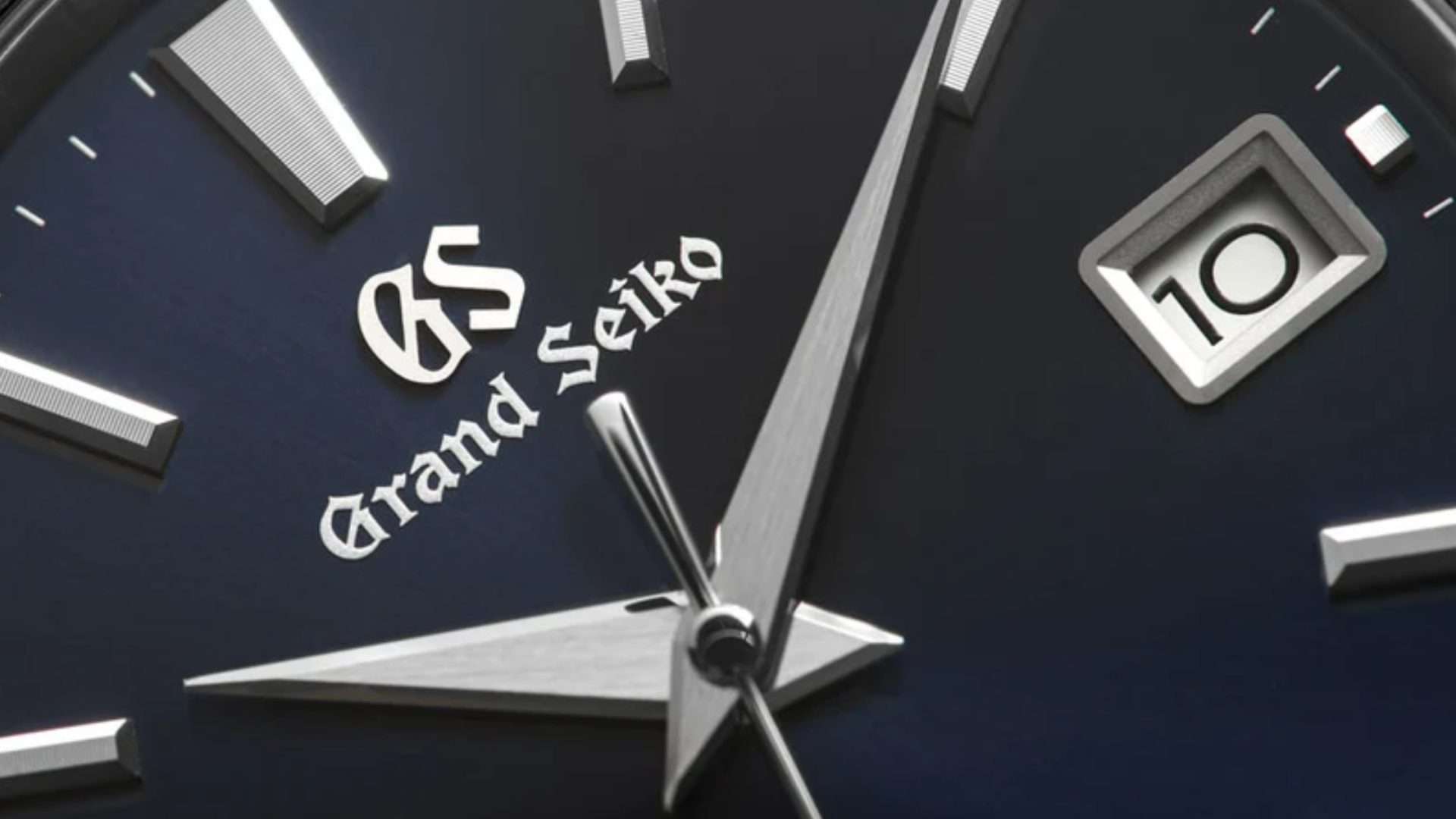
In 2021, Akio Naito offered a direct assessment of what can now be described as the Seiko identity problem.
He argued that the brand had become “everything for everybody” and, in doing so, “everything for nobody.” The comment was not framed as a short term issue but as a structural problem in how the brand was understood globally.
This observation formed a central part of our earlier analysis in Seiko Takes on the World, where Seiko was presented as a vertically integrated manufacturer with the technical capability to compete at every level of watchmaking, yet without a clearly defined place in the global luxury hierarchy.
Five years later, the discussion has shifted. The question is no longer whether Seiko had an identity problem. The question is whether the company has made sufficient progress to control how that identity is interpreted in the West.
The Identity Problem
Seiko’s difficulty is best understood through perception rather than production. In Western markets, Japan occupies a distinct cultural position.
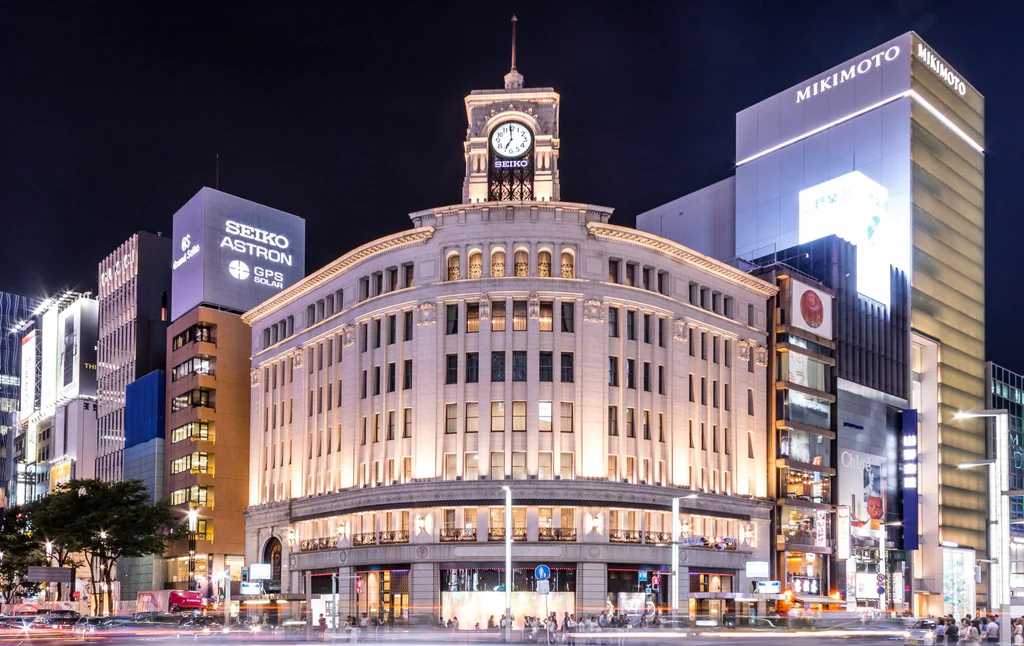
It is associated with sushi, anime, design, and technological precision. These associations are positive and increasingly familiar, particularly among younger consumers, but they do not align directly with the traditional signals of luxury established by Swiss watchmaking, where heritage, continuity, and symbolic prestige remain central.
Consumers rely on mental frameworks to interpret brands. Within those frameworks, Switzerland represents established luxury, while Japan is often associated with innovation and accessibility.
This reinforces the broader Seiko identity problem in global markets.
This creates an imbalance. Seiko enters the luxury conversation with a different set of assumptions already attached to its name.
The issue is compounded by the structure of the brand itself. Seiko operates across a wide spectrum, from entry level quartz to high end mechanical watchmaking.
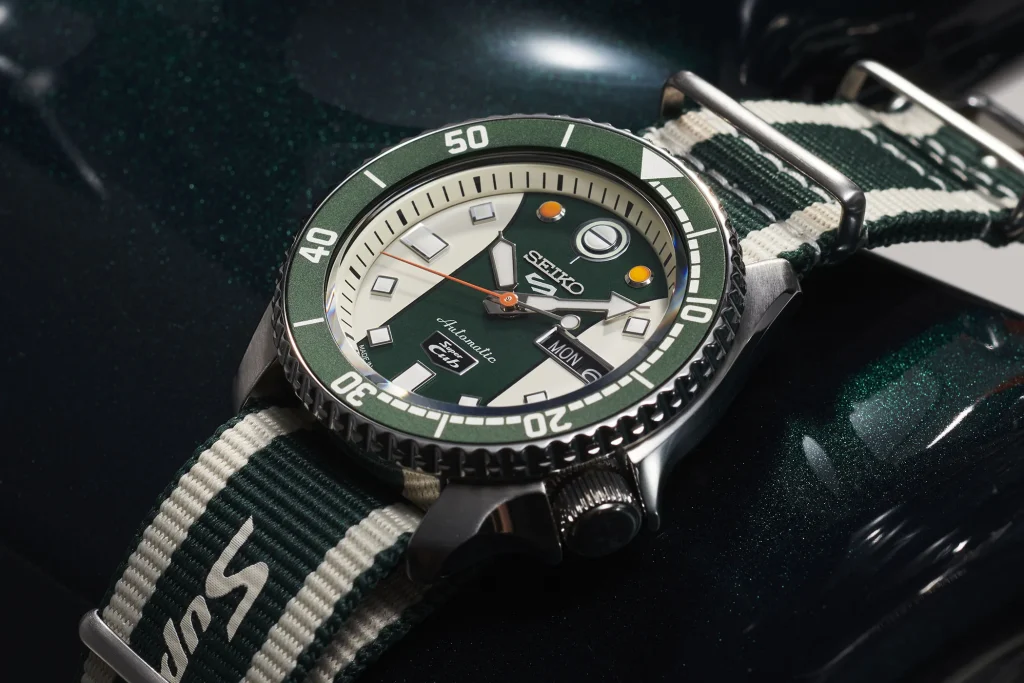
While this breadth reflects technical strength, it complicates interpretation. A single brand name covering multiple price levels requires the consumer to reconcile competing signals, which can weaken clarity.
This dynamic aligns with the work of Pierre Yves Donzé, who has shown that Japanese watchmaking historically developed around industrial capability and innovation, whereas Swiss firms built their global position through symbolic value and heritage (Donzé, 2015).
These foundations continue to influence how value is perceived.
Rebuilding Seiko for the West
Since 2021, Seiko’s response has been structured and deliberate.
Under Naito’s leadership, the company has placed greater emphasis on how the brand is communicated, not only on what is produced.
His international background, including time spent in the United States and experience across overseas markets, appears to have influenced a more outward facing approach to brand strategy.
One of the clearest developments has been the continued separation of Grand Seiko. This allows the brand to operate with greater independence in the luxury segment, reducing the tension created by Seiko’s broader product range.
Naito has acknowledged that overseas perception of Seiko as a mid market brand has historically limited Grand Seiko’s positioning, which explains the need for clearer differentiation.
The shift is also organisational. Seiko has shown greater openness to incorporating Western perspectives into management, marketing, and brand communication.

This reflects an understanding that luxury positioning depends on cultural alignment as much as technical capability.
Community has become another important element.
The GS9 Club represents a move towards structured engagement with owners, reinforcing the idea that the brand is not only selling watches but also building a shared identity around them.
This reinforces the broader Seiko identity problem, where technical capability alone is not sufficient to establish consistent perception.
This approach is supported by individuals such as Joe Kirk, whose role in education and training has helped translate Japanese watchmaking into terms that resonate with Western audiences.
Without this layer of interpretation, much of the value embedded in design and craftsmanship risks remaining underappreciated.
The return of Fumio Tanaka to Japan after his international experience further reflects this integration of global and domestic perspectives. It suggests a model where external understanding is brought back into the organisation rather than remaining isolated abroad.
The Psychology of Value and Pricing
Pricing remains one of the most sensitive aspects of Seiko’s repositioning. In luxury markets, price functions as a signal.
It communicates not only cost but also confidence, exclusivity, and consistency. When pricing is stable and clearly understood, it reinforces trust. When it becomes inconsistent or widely discounted, it introduces uncertainty.
Seiko has taken steps to address this through more structured global pricing and official price adjustments, indicating a shift towards greater coordination.
Naito has also stated that price increases must be supported by consumer understanding, recognising that value is not determined by price alone.
From a psychological perspective, this reflects signalling theory, where price serves as a proxy for quality and status in situations where direct evaluation is difficult (Spence, 1973).
Research on luxury consumption further shows that perceived value is shaped by a combination of functional, emotional, and social factors, as well as the quality of information surrounding the brand (Ko et al., 2019; Xi et al., 2022).
For Seiko, this creates a challenge. The brand has historically been associated with strong value at accessible price points. While this reputation remains an asset, it can also conflict with efforts to establish a more exclusive positioning.
If the market continues to encounter inconsistent pricing signals, it becomes more difficult to stabilise perception at a higher level.
This further reinforces the Seiko identity problem at a structural level within global markets.
Conclusion
Seiko’s position in 2026 reflects a company that has moved beyond recognising the Seiko identity problem and has begun to address it in a structured way.
Leadership has become more internationally oriented, brand architecture has been refined, community and education have been integrated into the strategy, and pricing is being treated as part of long term positioning rather than short term sales.
However, the underlying challenge has not disappeared. Seiko is operating against long established perceptions that shape how consumers interpret value.
Changing those perceptions requires consistency over time, not only in product quality but in communication, pricing, and brand behaviour.
Naito’s observation in 2021 remains relevant because it identified a problem that cannot be solved quickly.
The progress made since then is clear, but the outcome will depend on whether Seiko can maintain clarity in how it presents itself, and whether the Western market is prepared to reinterpret what Japanese watchmaking represents at the highest level.
References
Donzé, P. Y. (2015). Global value chains and the lost competitiveness of the Japanese watch industry: An applied business history of Seiko since 1990. Asia Pacific Business Review, 21(3), 295–310. https://doi.org/10.1080/13602381.2015.1020192
Ko, E., Costello, J. P., & Taylor, C. R. (2019). What is a luxury brand? A new definition and review of the literature. Journal of Business Research, 99, 405–413. https://doi.org/10.1016/j.jbusres.2017.08.023
Spence, M. (1973). Job market signaling. The Quarterly Journal of Economics, 87(3), 355–374. https://doi.org/10.2307/1882010
Xi, X., Yang, J., Jiao, K., Wang, S., & Lu, T. (2022). We buy what we want to be: Understanding the effect of brand identity driven by consumer perceived value in the luxury sector. Frontiers in Psychology, 13, 1002275. https://doi.org/10.3389/fpsyg.2022.1002275