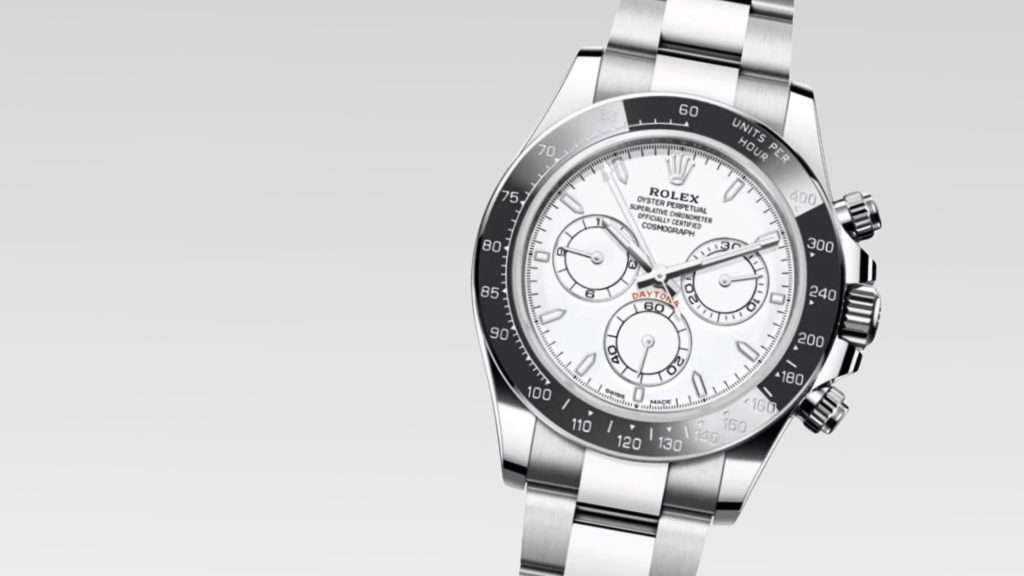
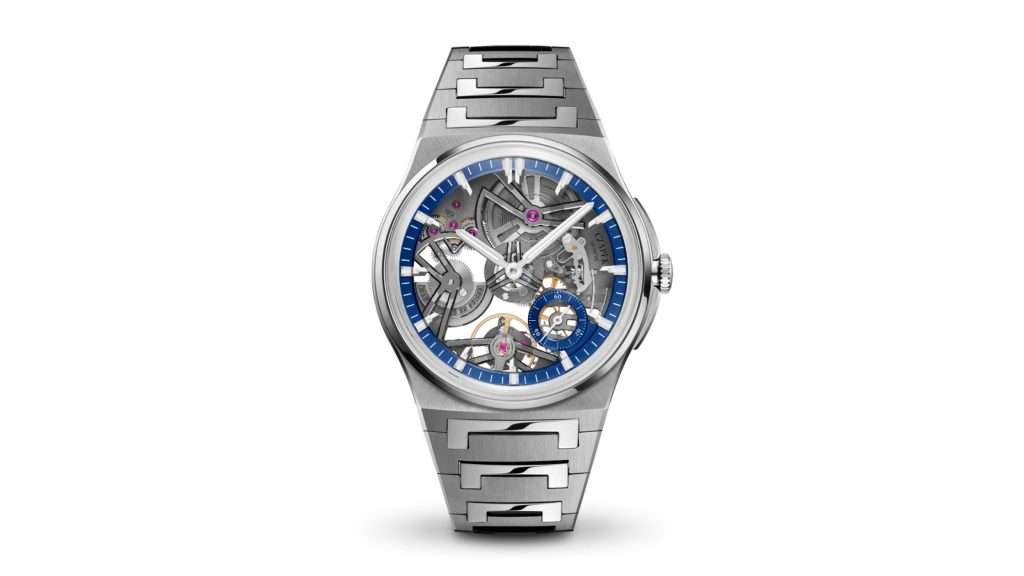
Verdict: The Steinhart Ocean One is still a credible Swiss automatic dive watch, but its value is no longer simply that it offers Submariner-style specifications for very little money. The 2026 Nova models bring useful refinements, while Orient, Seiko and Tissot offer stronger design identities or different movement advantages.
The Ocean One 39 Nova is the Steinhart we would start with. Its 46.78mm lug span is more versatile than the 42 Nova’s 50.25mm, although the larger watch has a legitimate place on broader wrists.
As an Amazon Associate, Watch & Bullion earns from qualifying purchases. Amazon buttons marked “Search” open tracked search results, not verified listings or stock confirmations. Our assessment is independent of commission availability.
Steinhart Ocean One 39 Nova: our pick

Product photograph: Uhren Miquel; reference 103-1512.
Steinhart ref. 103-1512 uses a 39mm satin-and-polished 316L steel case, a black ceramic dive bezel and a slightly domed sapphire crystal with internal anti-reflective treatment. Its black lacquered dial uses BGW9 Super-LumiNova, and the date sits at three o’clock.
Inside is the Swiss Sellita SW200-1 Elaboré, with 26 jewels and hacking seconds. A sapphire exhibition caseback replaces the older closed-back arrangement familiar from earlier Ocean models, while the bracelet uses screwed links and a diver’s extension.
Key specifications: 39mm diameter; 12.5mm thickness; 46.78mm lug-to-lug; 20mm bracelet tapering to 16mm; 137g; 300m water resistance; SW200-1 Elaboré; €740 incl. German VAT (checked October 2026).
Its combination of dimensions, movement architecture and construction remains persuasive. The principal reservation is aesthetic: the familiar diver silhouette is still considerably closer to the Submariner than collectors seeking independent design may prefer.
Steinhart Ocean One 42 Nova: who should buy it?

Product photograph: Steinhart Watches, Ocean One 42 Nova Black 103-1514.
The 42 Nova, ref. 103-1514, shares the SW200-1 Elaboré, ceramic bezel, sapphire crystal and 300m rating. Its 50.25mm lug span, 22mm bracelet and manufacturer-listed 156.5g weight give it substantially more presence than the 39 Nova.
There is only a small difference in thickness, at approximately 12.65mm, but the extra 3.47mm from lug to lug is likely to be noticeable. For anyone close to the limit of what their wrist accommodates, the 39mm is the safer choice.
The manufacturer lists the same €740 German VAT-inclusive retail price for both sizes. The larger reference is not mechanically superior; select it for fit and proportion rather than perceived value.
Three Steinhart Ocean One alternatives worth considering
These three watches are not interchangeable Submariner substitutes. Each answers a different objection to Steinhart: price, originality, heritage or movement specification.
1. Orient Kamasu: the affordable original

Product photograph: Orient Watch USA (RA-AA0004E39B / RA-AA0004E19A).
The green-dial Kamasu RA-AA0004E39B is an appealing alternative for someone who likes the utility of a conventional diver but wants a watch with its own personality. The 41.8mm case has a relatively compact 46.8mm lug span, almost identical to the Steinhart 39 Nova’s on paper.
Orient’s F6922 automatic movement offers hacking, manual winding and roughly 40 hours of running time. A sapphire crystal, screw-down crown, 120-click bezel, day/date display and 200m rating make it a comprehensive affordable package.
Key specifications: 41.8mm case; 46.8mm lug-to-lug; 12.8mm thick; sapphire crystal; 200m water resistance; F6922 automatic; 22mm steel bracelet.
Steinhart is the more substantial Swiss movement proposition, and its ceramic bezel and bracelet specification justify part of the price difference. The Kamasu’s conventional clasp and bracelet finishing are more obvious places to economise, but its design does not rely on reproducing the Submariner.
For a related comparison, see our Orient Triton versus Kamasu guide.
2. Seiko Prospex Turtle SRPE93: the heritage choice

Product photograph: Hallmark the Jewellers; SRPE93K1.
The Turtle has the strongest distinct design character in this group. Its 45mm cushion case traces its appeal to Seiko’s own diving-watch history rather than a modern Swiss luxury watch.
Reference SRPE93 uses the automatic 4R36 with hacking, manual winding and day/date, alongside a 200m diver rating and silicone strap. Seiko chooses Hardlex rather than sapphire, and its roughly 41-hour movement reserve is conventional.
Key specifications: 45mm cushion case; Seiko 4R36 automatic; approximately 41 hours; Hardlex crystal; 200m diver rating; day/date; silicone strap; UK RRP £390 in October 2026.
The case diameter sounds imposing, but a cushion case should be judged by its shape and actual wrist contact, not diameter alone. Compared with Steinhart, the Turtle sacrifices some specification-sheet appeal in exchange for recognisable Seiko design.
For a fuller assessment of the case family, see our Seiko Turtle versus King Turtle comparison.
3. Tissot Seastar 1000 Powermatic 80: the modern Swiss option

Product photograph: Tissot; reference T120.807.11.051.00.
The 40mm Seastar T120.807.11.051.00 is the clearest direct competitor at this price. It offers a Swiss automatic movement, a sapphire crystal, 300m water resistance and a strong mainstream retail and servicing network.
Its Powermatic 80 provides up to 80 hours of reserve, notably longer than the Steinhart’s conventional Swiss workhorse. The Tissot also has a Nivachron balance spring and an interchangeable steel bracelet.
Key specifications: 40mm case; 12.48mm thick; Powermatic 80 automatic; up to 80-hour reserve; sapphire crystal; mineral bezel ring; 300m water resistance; 20mm bracelet; UK RRP £685 in October 2026.
There is an important material distinction: this specific Tissot uses a mineral bezel ring, while the Steinhart uses ceramic. More power reserve is useful, but it does not make the Powermatic 80 categorically superior in every aspect of movement construction or future servicing.
What does the Steinhart Ocean One do well?
Case, crystal, bezel and bracelet
Steinhart’s fundamental appeal is mechanical substance. The Nova pairs a credible Swiss automatic calibre with 316L steel, a ceramic bezel, anti-reflective sapphire, substantial water resistance and a bracelet with screwed adjustment links.
The 39mm bracelet is listed as tapering from 20mm to 16mm; the 42mm bracelet tapers from 22mm to 18mm. Both retain a diver’s extension, and Steinhart’s German-language specification additionally refers to quick adjustment on the clasp.
A May 2026 hands-on review by Gnomon Watches documents more curved lugs, a slimmer bracelet and a redesigned push-button clasp with tool-free sliding adjustment. This is valuable first-hand reporting on the Nova, although the retailer has a commercial interest in the product.
Owners of earlier Ocean 39 ceramic watches often praised the solidity of the case and the tapered bracelet. Chronometer Check nevertheless criticised the friction-operated clasp on its older example and replaced it. That remains useful historical context, not a defect attributable to the redesigned Nova clasp.
Where does Steinhart fall short?
Design identity remains the main compromise. Steinhart has made practical changes to the Nova family, but the basic architecture, bezel grammar, steel bracelet and dial layout remain conspicuously linked to the Submariner.
The remaining question is refinement. At this price, buyers should inspect the actual clasp action, bracelet articulation, crown threading, bezel grip and end-link tolerances instead of assuming that strong specifications alone guarantee an outstanding tactile experience.
Steinhart also has a narrower second-hand audience than major-volume names such as Seiko and Tissot. Used prices depend heavily on reference, condition, completeness and buyer enthusiasm; it should be treated as a wearable purchase rather than an investment.
ETA 2824-2 versus Sellita SW200-1: what changed?
Older Ocean One references have appeared with the ETA 2824-2, while the current 39 and 42 Nova Black models specify Sellita SW200-1 Elaboré. Any movement description must therefore be tied to the individual reference and production period.
Both are conventional Swiss automatic, manually windable, hacking three-hand movements with date capability and a 28,800 vibrations-per-hour beat rate. The SW200-1 has 26 jewels, against the ETA 2824-2’s usual 25, and both generally provide around 38 to 40 hours of power reserve depending on the version and operating conditions.
Their practical advantage is familiar architecture and an established independent servicing ecosystem, subject to actual parts availability and a watchmaker’s assessment. The Elaboré designation identifies a movement grade, not a promise that every assembled watch has a particular daily rate on the wrist.
A regulated Sellita is good reason to take a Steinhart seriously, but a shared movement category does not establish equality with Rolex in development, testing, finishing or after-sales provision. Nor should the Seastar’s longer reserve be treated as a complete technical verdict by itself.
Is the Ocean One too close to the Rolex Submariner?
The resemblance is central to any honest Ocean One review. On traditional references, the circular and baton markers, familiar hands, rotating bezel, crown guards, cyclops on applicable versions and three-link steel bracelet make the influence explicit.
Steinhart Ocean One 39 Nova Rolex Submariner Date 116610LN
A Steinhart sold under its own brand and represented accurately is not the same thing as a counterfeit claiming to be a Rolex. The objection among collectors is ordinarily about design authorship, rather than whether a genuine, correctly branded watch should exist.
For some enthusiasts, a recognisable Submariner-inspired design with a serviceable Swiss movement is precisely the attraction. For others, the Orient, Seiko or Tissot makes more sense because the watch can be appreciated without a constant comparison to another brand.
Our Invicta Pro Diver versus Rolex Submariner article considers the broader question of what a low-cost homage actually offers.
How does the Ocean One wear? 39mm versus 42mm
Diameter is only a starting point. The Nova 39 measures 46.78mm between lug tips and weighs 137g on its steel bracelet; the Nova 42 extends to 50.25mm and weighs approximately 156.5g. That is a meaningful difference in how much of the wrist the watch covers.
The 39mm is the more proportionate starting point for modest and average wrists, while the 42mm will suit buyers who actively want a broader sports-watch presence. Bracelet fit, wrist shape and the direction of the first articulated links will determine the final result.
Both are around 12.5mm thick and can work in everyday clothing, although a watch of this depth will not disappear under every fitted shirt cuff. If possible, test both and judge lug overhang rather than following a universal wrist-size rule.
Is a used Steinhart Ocean One worth buying?
A used Ocean One can be sensible if its discount genuinely compensates for age, wear and the cost of potential maintenance. Ask for the original receipt, model reference, correct movement specification, service history, bracelet links and clear photographs of the case, clasp and bezel.
Check crown operation, date change, winding feel, regulation and any signs of moisture ingress. A 300m inscription does not guarantee present water resistance on a used watch; arrange pressure testing before water exposure.
Compare the final used price with the current new-watch cost after applicable tax and shipping. An older ETA-equipped Ocean One is not automatically more desirable or valuable than a current Sellita model.
Frequently asked questions
Is the Steinhart Ocean One a good watch?
Yes, on specifications and mechanical architecture it is a credible Swiss automatic dive watch. Whether it is the best purchase depends on the value you place on the Submariner-inspired design, bracelet execution and manufacturer support.
Which is better, Ocean One 39 or 42?
The 39 Nova is the more adaptable starting point due to its 46.78mm lug span. The 42 Nova is a valid choice for a broader wrist or a preference for greater visual presence, but it does not offer a movement upgrade.
Does every Steinhart Ocean One use ETA?
No. Older references may have ETA movements; the current Nova Black 39 and 42 specify the Sellita SW200-1 Elaboré. Always check the actual reference rather than assuming a movement from the Ocean One name.
Are Steinhart watches Swiss made?
Steinhart markets these Nova references as Swiss Made and specifies a Swiss Sellita movement, although the company itself is based in Germany. Its detailed supply chain and assembly process should not be inferred beyond the manufacturer’s published information.
Does the Ocean One have a ceramic bezel?
The 39 and 42 Nova Black models discussed here have black ceramic bezel inserts. Other Ocean family references and older generations differ, so this should not be generalised to every Steinhart diver.
Does Steinhart hold its value?
There is a used market for Ocean One watches, but no basis to assume reliable appreciation or uniform resale retention across references. Condition, pricing and demand matter more than the existence of a Swiss movement.
Which would we actually buy?
Best Steinhart: The Ocean One 39 Nova has the most convincing balance of case size, construction and an established Swiss calibre, provided the buyer genuinely likes its Submariner-derived styling. The 42 Nova is preferable only when its larger fit is desired.
Best value alternative: Choose the Orient Kamasu for a lower-priced automatic with sapphire and recognisable design. Choose the Seiko Turtle for the strongest tool-watch character and heritage, accepting its Hardlex and larger cushion case.
Best Swiss alternative: The Tissot Seastar 1000 Powermatic 80 offers the more distinct modern design and substantially longer running reserve. The Steinhart counters with a ceramic bezel and conventional Sellita architecture.
There is no need to dismiss Steinhart for being an homage brand, or to treat its specification sheet as proof of luxury-watch parity. It is a well-equipped diver whose final value depends on whether its design speaks to the person wearing it.
For a wider category perspective, see our complete dive-watch buying guide.
Specifications and manufacturer prices checked October 2026 against Steinhart, Orient, Seiko and Tissot. Historical first-hand observations are attributed where used. Product imagery is credited to its identified source; credit does not itself establish a third-party reuse licence.