Since the first practical examples of the early 1920s, dive watches have gone through something of a metamorphosis. Initially practical instruments for professional divers, they are now among the most useful and desirable watches for everyday wear.
As scuba diving and other water sports became increasingly popular, watchmakers responded with greater ingenuity. Contemporary divers combine reliable underwater functionality with styles that are equally comfortable away from the water.
For 2026, we have selected nine distinct modern dive watches, from the affordable Citizen Promaster and Orient Kamasu to the Rolex Submariner. Each makes a different case for its movement, materials, size or bracelet construction.
This is not simply a list of dive watches currently for sale. We have considered modern specifications, legibility, comfort, reliability and value, including the compromises that become apparent during ordinary daily use.
What makes a modern dive watch?
Water resistance and a reliable unidirectional timing bezel remain central. ISO 6425 certification also requires testing beyond a simple depth rating, including underwater visibility and resistance to demanding conditions. A 200m inscription does not automatically mean that a model is ISO-certified.
Many current watches add sapphire crystals, ceramic bezels, more effective luminous material, longer-running movements and improved clasp adjustment. The benefit lies in how these details work together, not in ticking every specification box.

For everyday wear, case thickness, clasp comfort and sensible servicing requirements may be more relevant than maximum depth capability. That is why the lightweight Tudor and the solar-powered Citizen both deserve consideration despite sitting at very different prices.
Nine modern dive watches compared
| Watch | Approximate price level | Movement | Case | Water resistance |
|---|---|---|---|---|
| Citizen Promaster Dive | Below $500 | Eco-Drive E168 | 44mm steel | 200m, ISO |
| Orient Kamasu | Below $500 | F6922 automatic | 41.8mm steel | 200m |
| Certina DS Action Diver 40.5mm | Around $1,000 | Powermatic 80.611 automatic | 40.5mm steel | 300m, ISO 6425:2018 |
| Seiko Prospex 1965 Heritage Diver | Around $1,300 | 6R55 automatic | 40mm steel | 300m |
| TAG Heuer Aquaracer Professional 300 Date | Around $4,550 | TH31-00 COSC automatic | 42mm steel | 300m |
| Tudor Pelagos 39 | Around $5,625 | MT5400 automatic | 39mm titanium | 200m |
| Breitling Superocean Heritage B31 | Around €6,700 | B31 automatic | 42mm steel | 200m |
| Omega Seamaster Planet Ocean 600M | Premium luxury | 8912 Master Chronometer | 42mm steel | 600m |
| Rolex Submariner | $10,050 US RRP | 3230 automatic | 41mm Oystersteel | 300m |
Price levels are indicative manufacturer or usual-market benchmarks in October 2026, not live Amazon quotes. The table scrolls horizontally on smaller screens.
The watches worth buying

Citizen Promaster Dive BN0150-28E
The Citizen Promaster is the practical starting point for anyone who wants a genuine diving instrument without the maintenance of a mechanical movement. Its Eco-Drive calibre is powered by light, while the ISO-compliant 200m case, large luminous hands and timing bezel have clear functional value.
At 44mm, it is not discreet, and the mineral crystal is more vulnerable to scratches than sapphire. Choose it over the Orient if accurate, low-maintenance timekeeping matters more than an automatic movement.

Orient Kamasu RA-AA0001B39B
The black-dial Kamasu combines an in-house F6922 movement with hand-winding and hacking, a sapphire crystal and 200m water resistance. It offers considerable substance for an affordable mechanical watch and looks at home beyond the beach.
Its bracelet and clasp lack the refinement of the costlier options, and 200m water resistance should not be confused with ISO 6425 certification. It suits a first-time mechanical buyer who prefers a steel bracelet and traditional automatic movement to the Citizen’s functional simplicity.

Certina DS Action Diver 40.5mm C048.407.11.051.01
Certina’s updated DS Action Diver is the most straightforward Swiss tool-watch choice here. Its ceramic bezel, 80-hour Powermatic movement, updated shock-resistant construction and ISO 6425:2018 certification give it a clear technical proposition.
The disadvantage is thickness and weight: at 14.1mm and roughly 190g on steel, it is less comfortable under a cuff than the Seiko or Tudor. It rewards buyers who prioritise dive-watch construction over a particularly slim case.

Seiko Prospex 1965 Heritage Diver SPB453J1
The SPB453 develops Seiko’s 1965 diving-watch design rather than merely recreating it. A 40mm case, 46.4mm lug-to-lug length, improved bracelet and three-day 6R55 movement offer an attractive balance of heritage and modern practicality.
An aluminium bezel insert and limited tool-free clasp adjustment are less advanced than some alternatives, while Seiko’s published accuracy tolerance of +25 to -15 seconds a day is relatively broad. Its compactness, legibility and recognisable design nevertheless make it one of the better everyday choices.

TAG Heuer Aquaracer Professional 300 Date WBP5110.BA0013
The Aquaracer has long represented the more angular and contemporary side of Swiss dive-watch design. Its present Professional 300 Date combines a black ceramic bezel and textured dial with a COSC-certified TH31-00 automatic movement and an 80-hour reserve.
The styling is less understated than the Seiko or Submariner, and the price premium over the Certina is considerable. It is best for somebody who specifically wants a distinctive modern Swiss sports watch. The older CAY211A chronograph previously featured here was an automatic Calibre 16, not a quartz model.

Tudor Pelagos 39 M25407N-0001
The Pelagos 39 shows why contemporary case materials matter. Its grade 2 titanium construction, compact 11.8mm thickness, excellent legibility and readily adjustable T-fit clasp make it one of the strongest watches here for repeated daily wear.
Its 200m depth rating is less dramatic than that of the Omega, and the lightweight titanium finish can feel austere beside polished steel. Buyers choosing on actual comfort, rather than a long specification list, may find it the most persuasive luxury option.

Breitling Superocean Heritage B31 AB3111161C1A1
Breitling introduced the Superocean in 1957, providing an important marine counterpart to its aviation watches. The contemporary Heritage retains the recognisable arrow-and-spear hands and mesh bracelet while gaining the newer B31 three-hand manufacture movement.
At 200m, it is less specialised than the Planet Ocean. The polished finishes and dressier character are precisely the attraction for somebody who wants one luxury diver for weekends and more formal occasions. This reference replaces the confused B20 and B01 descriptions in the previous article.

Omega Seamaster Planet Ocean 600M 217.30.42.21.01.001
The fourth-generation Planet Ocean makes a meaningful advance on the older 45.5mm chronograph previously included. A 42mm case and 13.79mm thickness improve everyday practicality while retaining 600m water resistance and the strong magnetic resistance of Omega’s METAS-certified calibre 8912.
It is still heavier and more assertive than a Pelagos 39 or Submariner. Choose the Omega for its movement technology, substantial construction and genuine diving capability, rather than for an understated fit.

Rolex Submariner 124060
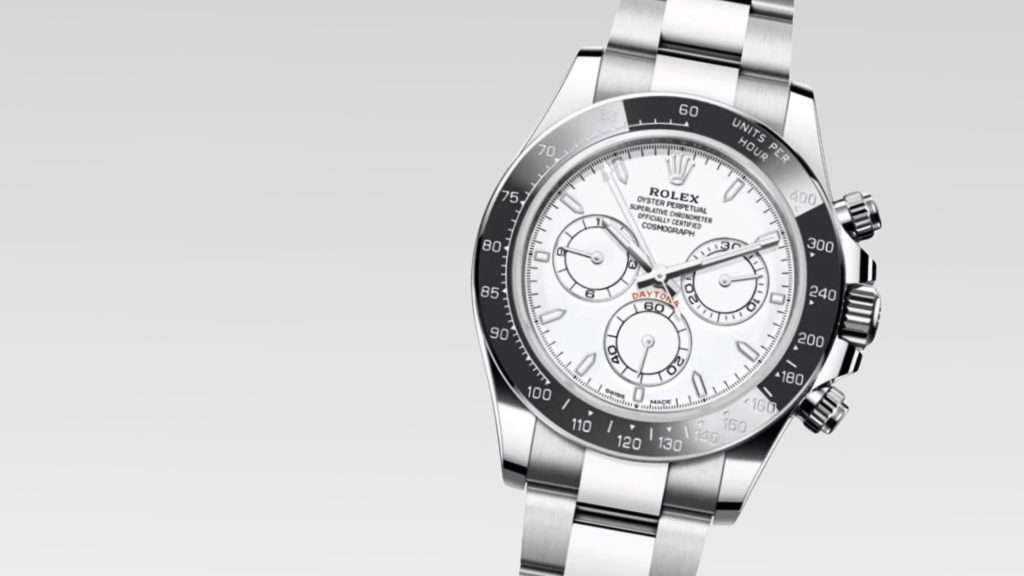
The no-date Submariner 124060 remains a useful reference point because the fundamentals are so carefully resolved: restrained proportions, durable ceramic bezel, legibility and an Oyster bracelet with Glidelock adjustment. Rolex’s calibre 3230 offers a 70-hour power reserve.
Price and retail accessibility are its main disadvantages, rather than an obvious missing feature. The Seiko and Tudor deserve attention from buyers less concerned with the name on the dial. Our Submariner history looks more closely at the collection’s earlier generations.
Which modern diver should you buy?
The Citizen Promaster is the most straightforward inexpensive choice if accuracy and low maintenance come first. The Orient is the stronger option for someone who wants a traditional automatic movement, while Certina adds ISO-certified Swiss diving construction at a higher price.
For comfort and carefully judged proportions, the Seiko SPB453 and Tudor Pelagos 39 stand out. The Aquaracer supplies a more overtly contemporary design, while Breitling’s Superocean Heritage B31 is the dressier luxury alternative.
The Omega makes the strongest argument for very substantial dive-watch engineering and anti-magnetic movement technology. The Rolex remains an established luxury benchmark, although cost and availability are significant considerations.
Specifications checked against manufacturer documentation in October 2026. Product photographs are hosted locally and original source credits are recorded in their WordPress media descriptions.